
THE Occupational Health and Safety Act, 1993, requires employers to bring about and maintain, as far as reasonably practicable, a work environment that is safe and without risk to the health of the workers.
Accidental release of oils and chemicals make up a large number of pollution incidents that occur each year and many spillages can be prevented. It’s important that everyone onsite knows how to control a spill to minimise its impact and understand preventative measures.
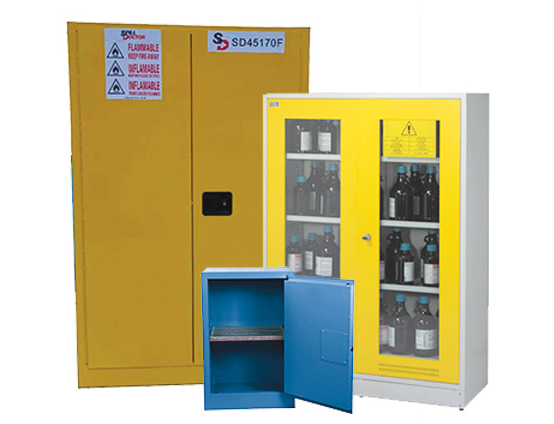
The incorrect storage of flammable and hazardous liquids can cause fire, injury and environmental damage. Spills spread quickly and fines and clean-up costs can be expensive. To avoid damage onsite, it’s important to know where all spill kits are and how to use them. This should be coupled with an annual spill response drill to ensure knowledge of plans and how to use clean-up equipment.
Mining sites should ensure they have a spill kit onsite and train staff in how to use it. Liquids within secondary containment onsite should be stored away from stormwater drains, waterways, and high traffic areas, and all containers labelled. It’s good practice to regularly check containers before and after rain to ensure they are not damaged or leaking.
Flammable liquids ignite and burn easily at normal working temperatures, whereas combustible liquids can burn at temperatures usually above working temperatures. Under the Workplace Hazardous Materials Information System (WHMIS), flammable liquids have a flashpoint below 37.8°C and combustible liquids have a flashpoint at or above 37.8°C and below 93.3°C. These may include thinners, cleaners, adhesives, paints, waxes and polishes present at almost every workplace.
However, there may be more than one flashpoint for a chemical since testing methods and purity of the liquid can vary. For instance, vapours from flammable and combustible liquids such as gasoline, with a flashpoint of -40°C, and phenol, with flashpoint of 79°C, can mix and cause the air to burn.
Flammable or explosive limits
The lower flammable limit or lower explosive limit of gasoline is 1.4 percent; the upper flammable limit or upper explosive limit is 7.6 percent. This makes gasoline flammable when it is in the air at levels of between 1.4 and 7.6 percent. A concentration of gasoline vapour in the air below 1.4 percent is too ‘lean’ to burn and gasoline vapour levels above 7.6 percent are too ‘rich’ to burn. Flammable limits, like flashpoints, however, are intended as guides not as fine lines between safe and unsafe.
Common flammable and combustible liquids have auto-ignition temperatures in the range of 300°C -550°C , while some liquids have very low auto-ignition temperatures. When solvent-evaporating ovens are heated to temperatures above the auto-ignition temperature of the solvent this becomes a serious fire hazards as flammable liquid can burn fast and give off a lot of heat and often clouds of thick, black, toxic smoke.
Also, spray mists of flammable and combustible liquids in the air may burn at any temperature if an ignition source is present. The vapours of flammable and combustible liquids are usually invisible, which makes them difficult to detect unless special instruments are used. Most flammable and combustible liquids flow easily and a small spill can cover a large area of workbench or floor.
Burning liquids can flow under doors, down stairs and into neighbouring buildings, spreading fire widely. Materials like wood, cardboard and cloth can absorb flammable and combustible liquids, and even after a spill has been cleaned up, a dangerous amount of liquid could still remain in surrounding materials or clothing, giving off hazardous vapours.
These can also cause health problems depending on the specific material and route of exposure.