

THE Ctrack Transport and Freight Index (Ctrack TFI) increased somewhat in December to end a volatile year for the logistics sector on a better note. At an index level of 121.1 in December, the Ctrack TFI is 8.4% above year-ago levels and 1.9% above the September level, signalling that the transport sector likely contributed positively to Q4 2023 GDP growth. While the improvement is indeed welcomed, the Ctrack TFI is still 2.1% below its recent high reached in May 2023 and the sector still faces many challenges at the beginning of 2024.
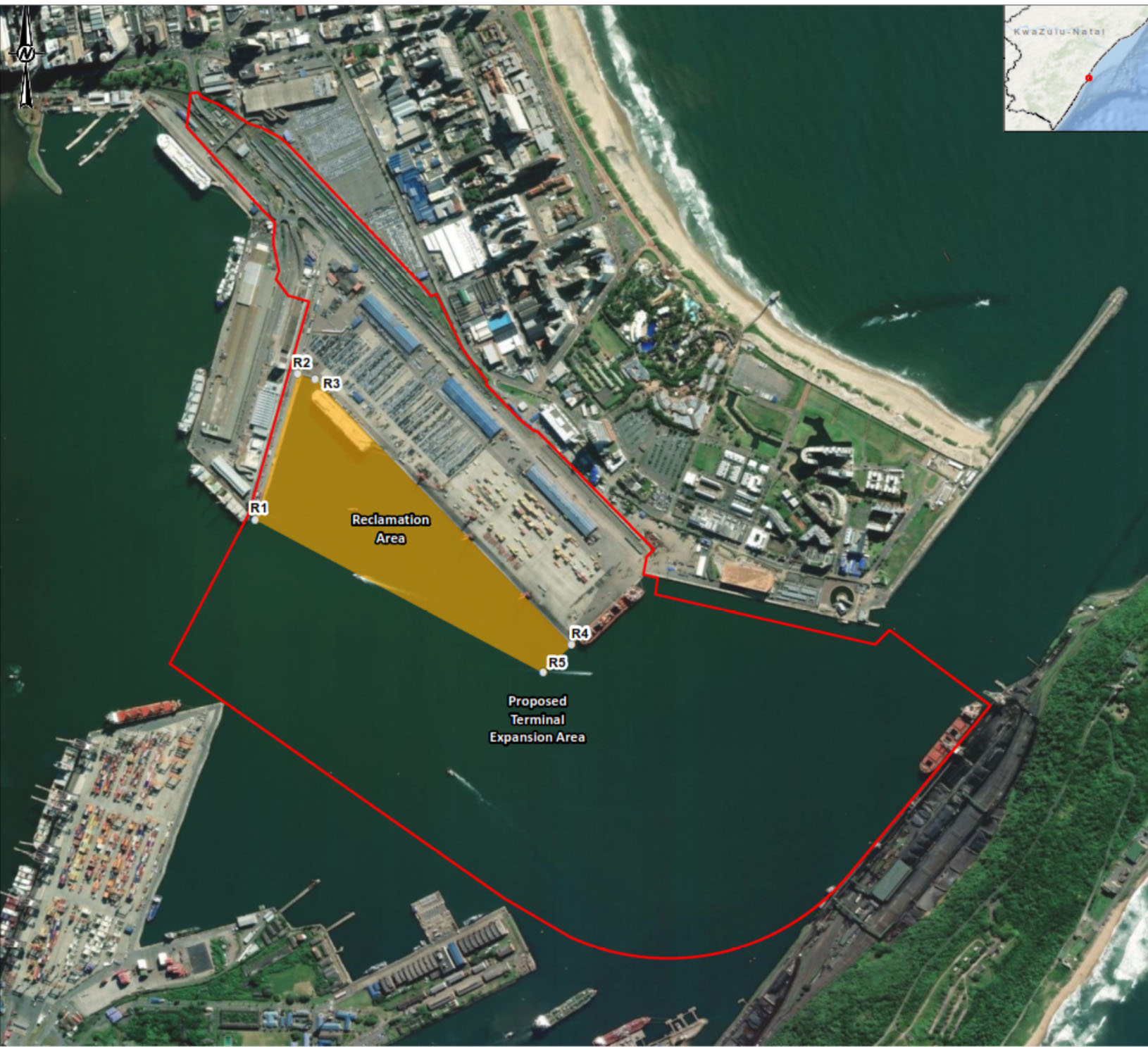
In December, five of the six sub-sectors increased compared to a year earlier, while on a monthly basis the subsectors for rail freight, road freight and pipeline transport contracted. The interdependence and intertwined nature of the logistics sector remain relevant as recently witnessed with the implosion of Transnet’s port operations. Given the underperformance of South African ports, notably Durban but others as well, the whole logistics supply chain in South Africa had been severely disrupted, with some sectors such as air freight an unexpected beneficiary, according to CTrack.
The Air Freight sub-sector increased by 5.3% on a monthly basis in December, with indications that this sub-sector could have been a beneficiary of the sea freight troubles in the past few months. The number of unscheduled flights that are typically chartered for cargo purposes increased by a notable 11.2% m/m in December, while consolidated airport flight movements increased by 10.3% y/y. Cargo load on planes subsided somewhat in December. Globally, the air freight sector is also performing well, with multiple demand drivers having facilitated an upward trend in air cargo towards the end of 2023. Global air cargo demand registered 22.4 billion air cargo tonne-kilometers (CTKs) in November 2023, an 8.3% y/y increase and the highest annual growth since December 2021. While this performance can partially be attributed to a base effect (referring to the declining CTKs throughout most of 2022), it is also a reflection of the strong, continuous demand growth over the past four months. Despite this notable increase, the industry’s performance remains 2.5% below pre-pandemic levels, reflecting just how significant the impact of the Covid-19 pandemic was on the air freight sector.
After tumbling in October and November, reflecting the inability of ports to handle cargo due to a multiplicity of contributing factors, the sea freight sub-component increased by 5.3% in December, compared to November, though still lagging on September’s pre-crisis level. Many retailers were anxious about stock for Christmas, stuck somewhere in either a container in the port or at sea with Transnet Port Terminals (TPT) indicating at the end of November that the backlog created will only be cleared by February/March 2024. However, the Durban Container Terminal Pier 2 has largely reduced its vessel backlog at anchor by the end of December with employees having worked through long weekends in December and through the New Year across all the terminals. The full employee resourcing at the terminal and demonstrated employee commitment were a direct and major contributor to the desired outcome. There are also original equipment manufacturers on-site at each terminal supporting the teams around the clock following recent confinement agreements that have reduced waiting times for critical spares of handling equipment across Transnet Port Terminals. The improved port throughput numbers are indeed encouraging, spurring optimism that Transnet’s recovery plans may start to bear some fruit, Crack said.
The Road Freight sector, the biggest among the sub-sectors, experienced multiple headwinds in the last few months of 2023, partly due to the operational troubles at ports. The road freight sub-component declined by 1.0% in December, compared to November, but remains 3.9% above year-ago levels. Heavy vehicle traffic on the N3 route (large and extra-large trucks) was flat in December compared to a year earlier, while heavy vehicle traffic on the N4 route continues to increase notably, with annual growth of almost 20% recorded in December. For the whole of 2023, heavy vehicle traffic on the N3 route increased by only 0.6% in 2023, compared to heavy vehicle traffic on the N4 route increasing notably by around 25% compared to 2022. There is clear evidence that the ongoing operational troubles at South African ports and other challenges have resulted in loads being redirected towards the Port of Maputo, clearly to the detriment of the South African economy. CTrack said that this trend is likely to continue in 2024, as South Africa’s logistical problems will unfortunately not change overnight.
A notable increase in the Rail Freight sub-sector (37.5% m/m) recorded in October turned out to be short-lived, with the sub-component sagging back to its mediocre levels in November (-27.5% m/m) and December (-0.8% m/m). However, for 2023 as a whole and after having declined for five consecutive years, rail freight payload is forecast to have increased by a marginal 1.5% in 2023. Though off an extremely low base and clearly continuing to underperform relative to other transport modalities given ongoing challenges plaguing the sector, the improvement should be celebrated, CTrack said. Among others, large-scale theft of copper cables, insufficient maintenance, lack of locomotives, corruption, derailments and vandalism on freight trains are hampering the sector’s performance. Companies in many sectors of the economy have been reporting that inadequate rail capacity and lack of service delivery have hamstrung production, trade and growth in the South African economy. Transnet Freight Rail’s woes have been a major hurdle for the mining industry in particular, costing the sector tens of billions a year in lost exports, which also impact negatively on the fiscus given reduced tax receipts. While government approved the “Freight Logistics Roadmap’ at the end of 2023, with proposals to resolve the immediate operational challenges while developing interventions to fundamentally restructure the logistics sector to support inclusive economic growth, implementation still needs to be fast-tracked before a notable difference would be evident. More of a medium-term expectation for improvement would be realistic here.