
MOVES to improve the efficiency of the electricity supply to the coastal areas of the iLembe district are starting to take shape, but stronger collaboration between the public and private sectors is needed to secure reliable power for the future.
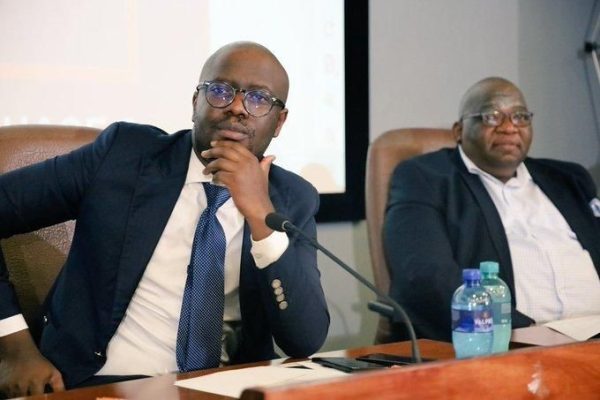
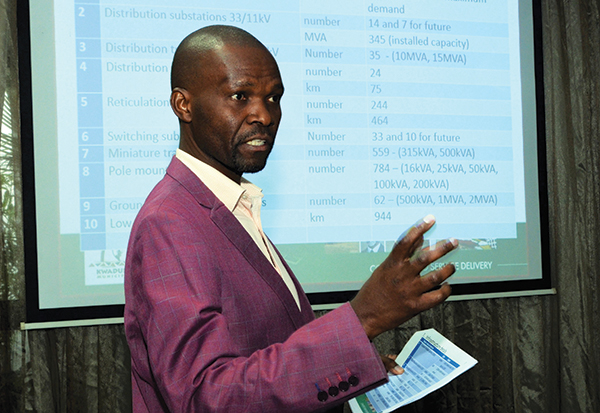
This emerged from the engagement between business operators, provincial and municipal officials in the iLembe district at a “Synergy for Energy” hosted by the Vuthela iLembe LED Support Programme recently. The Vuthela programme is funded by the Swiss State Secretariat for Economic Affairs (SECO) and implemented in partnership with the KZN Department of Economic Affairs and Tourism, the iLembe District Municipality and the local municipalities of KwaDukuza and Mandeni to create an enabling environment for inclusive economic growth in the district.
Participants at the seminar from the private and public sectors considered the local implications of the national electricity crisis and the impact of the prevailing loadshedding schedule against the district’s growing demand for electricity.
Representatives of the district and its local municipalities, private developers, business operators, COGTA, the Municipal Infrastructure Support Agent, and the iLembe Chamber of Commerce, Industry and Tourism agreed that a secure and reliable electricity supply was critical to maintain present economic activity and to sustain future development in the region.
Presentations indicated that several energy efficiency measures that are being implemented in the coastal areas of the iLembe district are starting to yield positive results.
The KwaDukuza Local Municipality is completing the installation of a R 24 million Supervisory Control and Data Acquisition System (SCADA) system to monitor the energy supply in real time for outages and load conditions and to transmit information, providing greater predictability about the network’s performance for better management of the electricity network and components. The new system will help residents and businesses to better manage planned, but also often unpredictable disruptions to their electricity supplies due to loadshedding. The system will be commissioned by the end of this year. When fully operational, it will allow the KwaDukuza Local Municipality to manage the flow of power through sub-stations in the network by remote monitoring and control from a central control room.
Sections of the electricity supply network are being upgraded in KwaDukuza local municipality to provide additional infrastructure and power capacity.
In the past year, electricity losses at Mandeni due to billing errors, inaccurate readings, unmetered customers, meter tampering and illegal connections (Non-Revenue Electricity) were reduced by 15%. Strategies include implementing web-based automatic meter reading, auditing electricity resellers, weekly service connection raids and monthly inspections of meters.
Curbing Non-Revenue Electricity allows the Mandeni Local Municipality to optimise service delivery, fund employment creation programmes and support local economic development programmes. It is however an ongoing, full-time process.
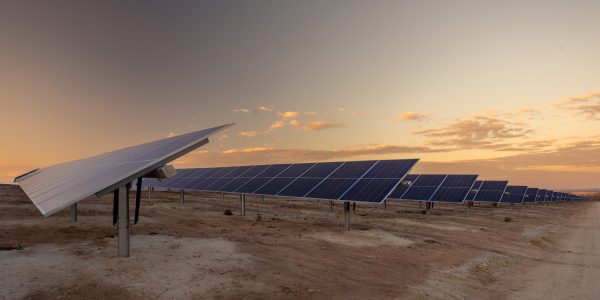
Several alternate and renewable energy options are being considered by the public and private sectors to produce additional power. These include using waste heat generated by industry; biomass fuels using waste from forestry; natural gas; wind generation and hydro-electric generators.
Solar energy generation is emerging as the most feasible option to augment power supply in the KwaDukuza Local Municipality. World Bank advisor Andres Detomasi confirmed that the fast implementation of green or renewable power was considered appropriate for KwaDukuza’s situation, and that it was expected to yield enormous benefits. The World Bank has supported municipalities with technical and advisory services related to the SCADA, Non-Revenue Electricity, and the installation of solar generation facilities since 2016.
A feasibility study has been conducted through the Vuthela Programme to augment the electricity supplied to the Sundumbili Water Treatment Works by Eskom with solar power to keep the plant running during loadshedding. The results of the study (based on the existing infrastructure and land area at the works) indicated potential to supply up to 10% of the works’ energy, with a return on investment period of nine years – which will assist the iLembe District Municipality to save costs on electricity and improve operations at the works.
In addition to these measures to create efficiencies in the Eskom grid, the KwaDukuza Local Municipality established an Energy Office in 2021 to assess the energy sector and develop a policy around renewable energy sources like solar power.
The policy is nearing readiness for public comment. It aims to address issues around safety and compliance, installation regulations, and the technicalities of feeding solar power back into the national grid.
Other policy matters include how the municipality plans to create an enabling environment for increased renewable energy in KwaDukuza Local Municipality and how it will address any revenue losses incurred.
Vuthela Programme manager Richard Clacey said the engagements at the seminar indicated that a high level of collaboration between the many private and public sector participants and other stakeholders was needed to secure a reliable energy supply in the district.
“The seminar confirmed the need to strengthen structured engagement, cooperation and collaboration between the private and public sectors if we are to succeed in generating sufficient energy to sustain economic activity and serve the district’s future developmental needs.