

By Gavin Kelly – CEO of the Road Freight Association
THE Finance Minister has noted in the medium-term budget policy statement (MTBPS) that they will use “higher than anticipated revenues” – which were generated through taxes, levies and all other manner of government revenue generation – to rescue a number of State-Owned Enterprises (SOEs).
Whilst we welcome the move to give Transnet badly-needed funding to repair, re-design or re-build vital pieces of infrastructure and equipment (ports, railways and related equipment for efficient operations), there is concern that the “usual suspects” have once again received “bailouts”.
Some good news! It seems like the Minister is beginning to listen to endless comments, lobbying and interaction from the road freight sector:
- The Economic Regulation of Transport Bill was passed. This should establish an independent transport regulator which will pave the way for greater competition and enable regulated access to the network – as long as private businesses are not punished for being efficient and competitive.
- We need to understand what the Regulator really means for private business. It’s all fine for ensuring decent pricing in monopoly systems (like public transport systems, Eskom, water supply, etc, landing or berthing facilities in our government operated facilities, ensuring that there are no huge/unrealistic increases in tariffs by any authority in the transport world). But it doesn’t work for private business where competition, innovation and efficiencies are at play.
- No amount of argument or discussion must ever allow price-fixing/setting within the private (business) sphere.
Then there is better news:
- Third-party access to the freight rail network is being seriously considered – and perhaps there will actually be movement now.
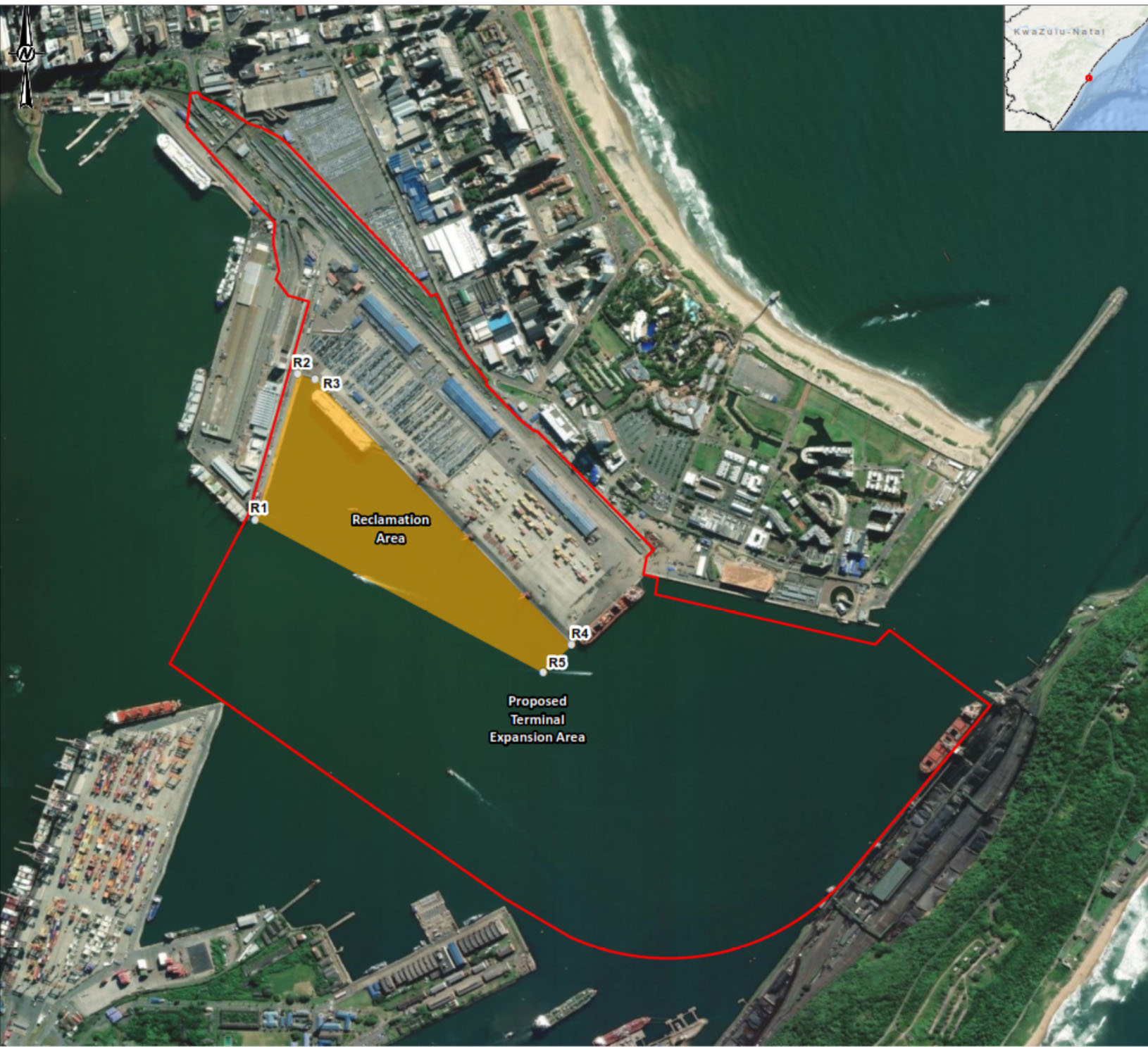
- Private-sector partnerships for the Durban Pier 2 and Ngqura container terminals (which the Road Freight Association has been calling for – for at least the last 10 years), is also now on the cards.
- Allocations to the SAPS to increase capacity to deal with crime.
- Processes and structures in place to deal with white-collar crime and corruption.
- Funding for critical infrastructure
However, there are some glaring omissions:
- Government needs to ensure we can release ourselves from fossil fuel (in this case oil) dependency. Now is the time to support, fund, develop and grow alternative energy systems. Locally developed, manufactured and supported.
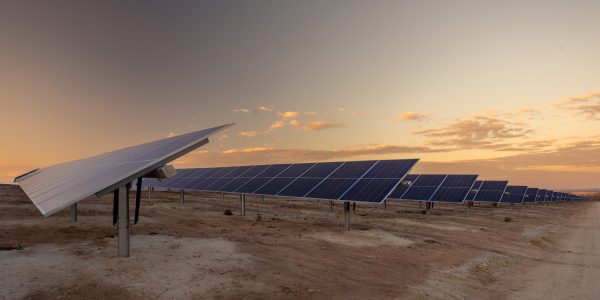
- Use of our great coal resources to implement short to medium term energy solutions. There are very clean and green methods around the world that can be implemented. But our largest resource – sun/solar – needs to be developed and expanded as quickly as possible. This requires funding.
- Water security – along with food security – will (like the solar development) create the millions of job/employment opportunities that our country needs.
There was a greater expectation (perhaps in the form of a very loud bang) to the end of e-tolls. It didn’t happen. Is there a lesson to be learned from this?
Infrastructure that is of common good to the whole country, the economy, the development of society and upliftment of South Africa, needs to be developed at a cost shared by all South Africans – at the cheapest, least expensive and least intrusive means possible.
(Article shortened.)