
GOVERNMENT is looking to the private sector for market insight before it issues Request for Proposals (RFP) to fix the country’s port and rail inefficiencies in August. Ahead of the formation of a Private Sector Participation (PSP) Unit to be housed at the Development Bank of Southern Africa (DBSA), the Department has established an interim unit in an effort to advance much-discussed PSP projects.
On 23 March, Transport Minister, Barbra Creecy, launched the online Request for Information (RFI) for private sector participation to develop rail and port freight logistics projects. She encouraged active participation in the process, contributing to the new PSP Unit’s efforts in shaping the potential PSP programme of projects and designing future bid packages for procurement.
Creecy said that together with Transnet, government has received numerous unsolicited proposals from the private sector offering investment, skills, and expertise to support the rehabilitation and reform of the country’s struggling rail and port systems.
“This overwhelming interest has made it clear that the Department and Transnet must engage in broad and inclusive market engagement before issuing Requests for Proposals (RFPs) in August this year. These are not formal procurement processes in themselves but a mechanism to understand and source information from the market,” she said.
She said, to ensure these RFPs are well responded to, government recognises the importance of understanding the freight logistics landscape through the perspective of interested and affected parties, so that our solutions are both effective and sustainable.
In this initial phase of PSP, the RFI focuses on the following corridors:
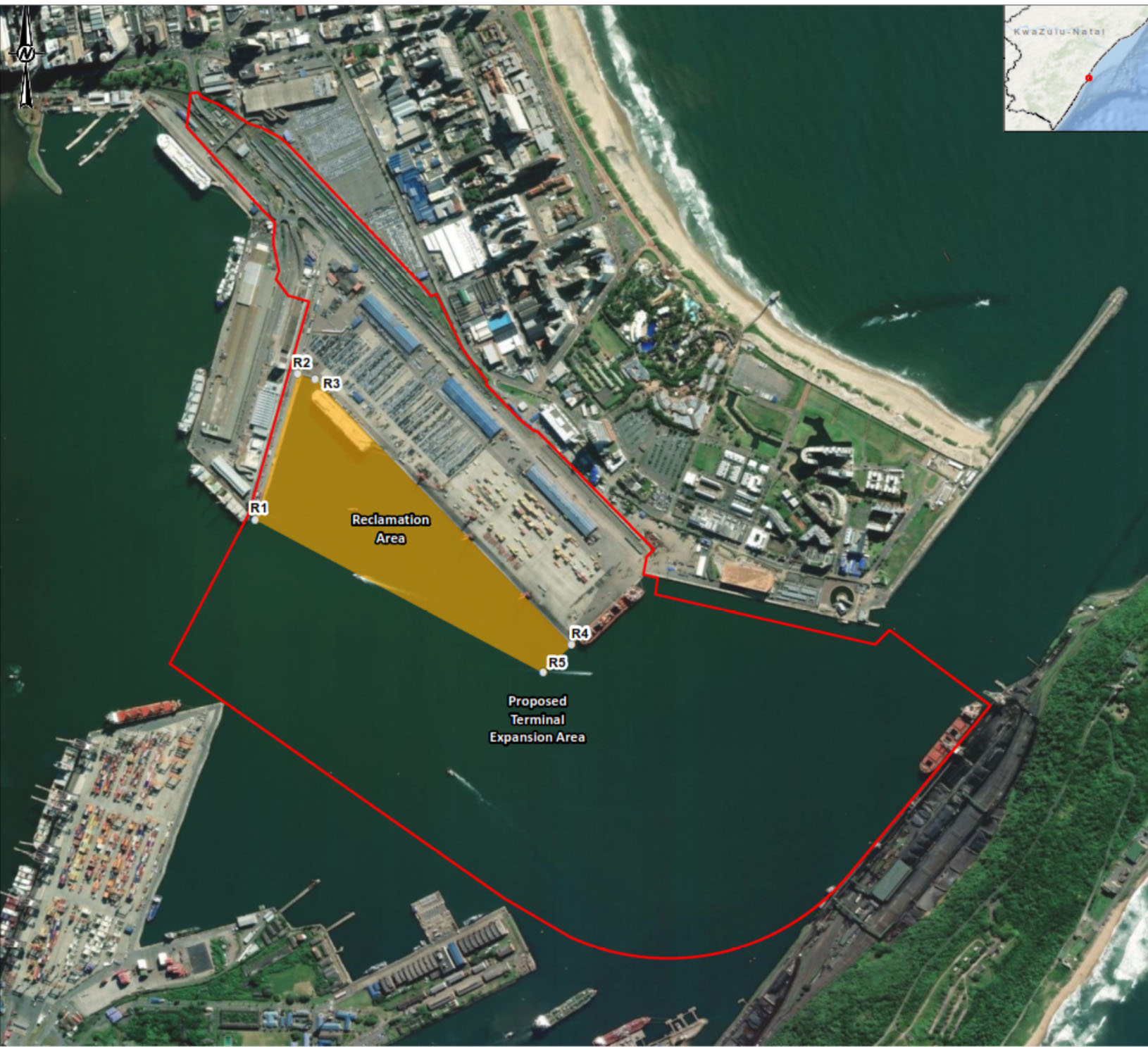
- Intermodal Supply Chain PSP Project focused on the container and automotive sectors, including the potential designation of the South African container port system as a regional transhipment hub for major shipping lines. This includes the port, container and automotive port terminals, back-of-port arrangements, and railway and inland terminals for the Gauteng—Durban port (KZN), Gauteng—Eastern Cape (East London, Port Elizabeth, Ngqura), and Gauteng—Western Cape (Cape Town) corridors.
- Limpopo and Mpumalanga to Richards Bay Bulk Minerals Corridor PSP Project for coal and chrome exports, including provision for magnetite exports in port. This includes the full pit-to-port rail, port, and terminal infrastructure and equipment supporting coal exports from mines in Lephalale, Limpopo; chrome exports from the ‘Western Limb’ mines in the Rustenburg-Brits region in North West; and coal exports from various mines across Mpumalanga and KwaZulu-Natal to the Port of Richards Bay. Particular attention is given to the Bayvue precinct, where non-RBCT coal, chrome, and magnetite are handled through the Dry Bulk and Multi-Purpose Terminals, and the back of port arrangements.
- Northern-Cape to Saldanha Bulk Minerals Corridor primarily for iron ore and manganese exports, and the Northern-Cape to Nelson Mandela Bay Corridor, primarily for manganese exports. This includes the complete pit-to-port rail, port, terminal infrastructure, and equipment supporting the transport of iron ore from mines in the greater Sishen–Postmasburg region to the Port of Saldanha, as well as the movement of manganese from mines located between Hotazel and Postmasburg to the Port of Saldanha, and to the ports of Port Elizabeth and Ngqura in Nelson Mandela Bay, and the back-of-port arrangements.
The RFI represents a pivotal step forward in our shared commitment to building a 21st-century transport system that goes beyond mobility to strengthen industrial competitiveness, deepen regional integration, and drive inclusive economic growth, Creecy said.
It will enable us to articulate the challenges in a structured and coherent way, clearly defining their scope, context, and impact to inform the development of focused, strategic, and sustainable solutions. In this regard, the Department of Transport (DoT) will ensure that the views of a range of other stakeholders are brought into the deliberations, including organised labour.
DBSA to host PSP Unit
Creecy said that, in line with the Private Sector Participation envisioned in the White Paper on the National Rail Policy, Cabinet approved a PSP Framework in 2023 to guide private sector involvement across the logistics sector value chain. The Framework mandates the DoT to establish a dedicated PSP Unit to enhance state capacity and provide support to Transnet and PRASA in the procurement of potential PSP projects.
The Department is in the final stages of concluding a Memorandum of Agreement with the Development Bank of Southern Africa (DBSA) and the National Treasury, appointing DBSA as the hosting institution for the Unit.
“We have set up an interim PSP Unit within the Department, comprising a team with extensive expertise in structuring PSP contracts and procurement,” Creecy said.
In collaboration with Transnet, the interim PSP Unit has developed the Rail Freight and Port RFIs.
Creecy outlined the RFI process and reiterated the government’s guiding principles.
As the RFI is part of a research and consultation process, all information submitted will be treated with strict confidentiality and used exclusively to inform the development of potential PSP projects. Participation in the RFI offers a valuable opportunity to help shape future initiatives.
The RFI must be completed online and can be accessed through the Department of Transport’s website or directly at www.psp-rfi.co.za. The portal will remain open for eight weeks, from 24 March to 9 May 2025.
Submitted responses will be reviewed and feedback will be provided.
Following the conclusion of the RFI phase, the Request for Proposal (RFP) will be undertaken through the PSP Unit . The PSP Unit and Transnet will develop the policy-aligned PSP Programme, which will enter the formal procurement phase from the end of August 2025.
This work is guided by the following principles:
- Reform Transnet in accordance with the Cabinet-approved Roadmap for Freight Logistics;
- Ensure a just transition to a reformed rail and port logistics system, prioritising maximum job retention for employees of Transnet and PRASA and in this regard we have set up a joint work stream to consult
- organised labour as the process unfolds;
- Safeguard immovable assets by retaining them under state ownership for the benefit of future generations and preventing the balkanisation of the rail and port system as has occurred in other countries;
- Actively promote localisation, industrialisation, and support for key sectors such as steel production and local rail manufacturing;
- Demonstrate our commitment to Broad-Based Black Economic Empowerment and gender equality by providing strong support to new and emerging players in the rail and port sectors, including SMEs and SMMEs.
In May 2025, the Department will release the second batch of the RFI which will be focused on passenger rail initiatives.