
FOOD manufacturers today face increasing pressure to deliver consistent quality, full traceability, and absolute compliance with labelling and weight regulations. At the same time, production environments are becoming more automated, faster, and more demanding.
A strong example of how advanced inspection technology supports these goals can be seen at Block House Butchery in Hamburg, Germany – a long-established meat producer that has invested in comprehensive end-of-line quality systems from Wipotec.
USS Pactech supplies and supports these types of inspection and checkweighing solutions in South Africa, helping local producers achieve the same level of process control and consumer trust.
Block House Butchery has relied on Wipotec technology for almost 15 years as part of its end-of-line production strategy.
According to Jörg Jablonski, managing director for production and technology, the goal is not only to ensure quality, but also to document controlled processes throughout production.
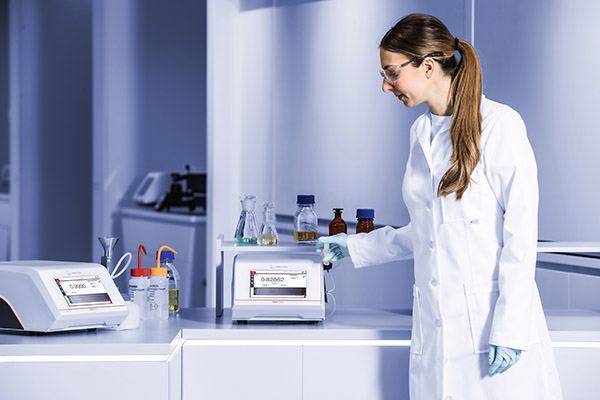
This includes checkweighing, foreign body detection, X-ray inspection, and integrated marking and verification – all supported through centralised data collection and reporting.
While metal detection is considered a basic requirement in food production, Block House has taken inspection further by incorporating X-ray scanning technology.
This allows the detection of non-metallic foreign bodies such as bone fragments, cartilage and dense spice inclusions.
X-ray inspection provides an added layer of protection for both consumers and brand reputation, helping prevent costly recalls and quality incidents.
End-of-line control is not only about weight and contamination – correct labelling is equally critical.
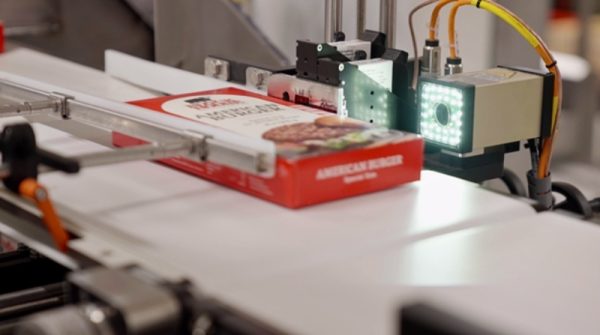
In this case study, Block House implemented the Wipotec Traceable Quality System (TQS) to manage product marking and verification, combining printing, camera inspection, transport coordination and centralised control.
This integrated approach reduces operator error and improves efficiency compared to separate stand-alone systems.
To support audits, reporting, and continuous improvement, Block House connects its inspection systems through Comscale software.
This provides central documentation, real-time access to production data and traceability for compliance and quality management.
As Jablonski notes, seamless documentation is particularly valuable during audits and long-term process optimisation.
This case study demonstrates how modern food manufacturers can strengthen quality assurance through fully integrated end-of-line inspection, weighing, and marking systems.
USS Pactech supports local food and FMCG producers with access to advanced solutions such as: dynamic checkweighers; metal detection; X-ray inspection; marking and verification systems and production data integration.